The evolution of gambling through the ages a historical perspective
The Origins of Gambling
Gambling has roots that stretch back thousands of years, tracing its origins to ancient civilizations such as the Mesopotamians and Egyptians. Early forms of gambling were not just recreational; they served as methods for divination and decision-making. Dice, made from materials like bones and stones, were often used in games of chance, showcasing an early human inclination toward risk and uncertainty. Today, you can explore the best online pokies nz, which highlight this age-old fascination.
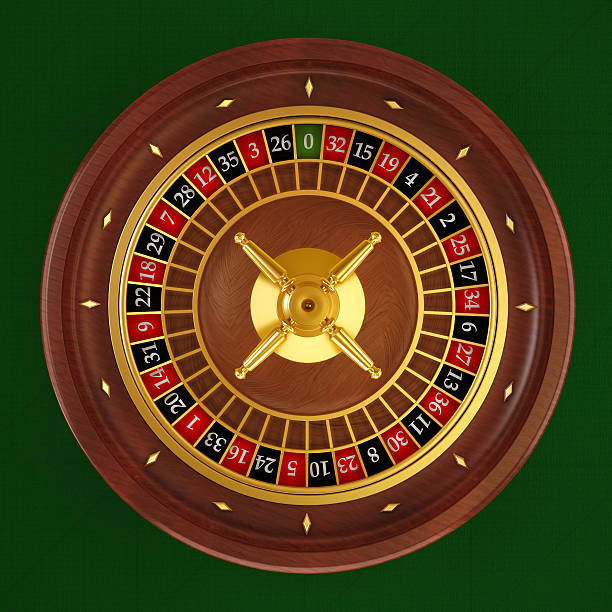
As societies evolved, so did gambling practices. In ancient Rome, for instance, citizens engaged in betting on gladiatorial games and chariot races, highlighting how gambling became intertwined with cultural events. This not only reflected the entertainment value of gambling but also its role in social gatherings and public life, setting the stage for its future development.
The Medieval and Renaissance Periods
The medieval period saw a shift in gambling, particularly with the introduction of card games. Originating from Asia, playing cards became widely popular in Europe, leading to new forms of gambling that emphasized skill as well as chance. This era also witnessed the emergence of betting on sports, such as jousting, which further integrated gambling into the fabric of society.
The Renaissance brought a newfound sophistication to gambling. With the establishment of casinos in Italy, particularly in Venice, gambling transformed into a more structured activity. These establishments created an environment where patrons could enjoy various games, fostering a culture of gaming that would later spread across Europe and beyond.
The Rise of Modern Gambling
The 19th century marked a significant turning point in the evolution of gambling. The expansion of railroads and communications led to the establishment of lotteries and betting shops, making gambling more accessible to the general public. This period also saw the creation of iconic games such as poker and blackjack, which gained popularity in the United States.
The legalization of gambling in various forms began to take shape during this time, leading to the establishment of state-run lotteries. This not only provided governments with revenue but also legitimized gambling as a popular pastime. The cultural acceptance of gambling continued to grow, paving the way for the development of modern casinos.
The Digital Revolution and Online Gambling
The advent of the internet in the late 20th century transformed gambling once again. Online casinos emerged, allowing players to access their favorite games from the comfort of their homes. This shift made gambling more convenient and accessible than ever before, attracting a diverse audience across different demographics.
The rise of mobile technology further revolutionized the industry, enabling users to gamble on the go. With innovative gaming options and enhanced user experiences, online gambling has continued to thrive. This digital evolution has fostered a new cultural perspective on gambling, viewing it as an integrated component of modern entertainment.

Responsible Gaming in Today’s Gambling Landscape
As the gambling industry continues to evolve, responsible gaming has become a focal point. Online platforms now prioritize player safety, offering resources and tools to promote responsible gambling practices. This cultural shift reflects a growing awareness of the potential risks associated with gambling, emphasizing the importance of player protection.
Today’s online casinos, such as the Best Online Casino Australia 2026, exemplify this commitment to responsible gaming. By incorporating robust security measures and providing transparent information, these platforms create an engaging and safe environment for players. As gambling culture progresses, the focus remains on ensuring that it remains a fun and entertaining activity while mitigating potential harms.

Leave a Reply