Exploring the psychological triggers behind addictive gambling behavior
The Nature of Gambling Addiction
Gambling addiction is a complex psychological condition that affects millions of individuals worldwide. It often stems from a combination of genetic, environmental, and psychological factors, making it difficult to pinpoint a single cause. Understanding how these variables interact is vital to grasping why certain people develop compulsive gambling behaviors while others do not. For instance, individuals with a family history of addiction are at an increased risk of developing similar patterns. Many players are drawn to thrilling experiences and can find out more about it at https://crazy-star-casino-uk.com/.

The thrill associated with high-stakes gambling is often a significant psychological trigger. The immediate gratification from winning can lead to a rush of dopamine, a neurotransmitter responsible for feelings of pleasure and reward. This chemical response creates a feedback loop that reinforces the behavior, making it more likely for individuals to continue gambling in search of that euphoric experience. Over time, this can result in an inability to control the urge to gamble.
Moreover, cognitive distortions play a critical role in gambling addiction. Many gamblers fall victim to misconceptions, such as believing that they can control the outcome of a game or that their luck will change soon. These false beliefs can perpetuate gambling behavior even when the individual faces financial or emotional consequences, further entrenching their addiction. Understanding these mental processes can provide insight into why gambling can be so captivating and dangerous.
The environment in which gambling occurs can heavily influence addictive behavior. High-stakes casinos and online gambling platforms are designed to create an immersive experience, filled with bright lights, sounds, and the thrill of potential winnings. This carefully crafted atmosphere stimulates the senses and can lead to increased arousal and excitement, making it easier for individuals to lose track of time and money. The sensory overload effectively masks the potential risks and consequences associated with gambling.
Social factors also contribute to the psychological triggers of gambling addiction. Gamblers may find themselves in environments where gambling is normalized or even encouraged, such as with friends or in social gatherings. Peer pressure can often lead individuals to gamble beyond their means or participate in high-stakes games, further escalating their risk of developing an addiction. The social aspect can create a false sense of security, making individuals feel that their behavior is acceptable or even expected.
In addition to the physical and social environment, the accessibility of gambling plays a significant role in triggering addictive behavior. With the rise of online casinos, gamblers can now engage in high-stakes gambling anytime and anywhere. This accessibility can exacerbate compulsive behaviors, as it removes barriers and provides constant opportunities to gamble. Recognizing these environmental factors is essential for developing effective strategies for prevention and intervention.
Emotional distress is often a significant trigger for gambling addiction. Individuals who experience anxiety, depression, or stress may turn to gambling as a means of escape. The temporary relief that gambling provides can lead to a cycle where individuals repeatedly seek out gambling to cope with their emotions. This pattern can cause them to develop a dependence on gambling as their primary coping mechanism, further entrenching their addiction.
Additionally, feelings of inadequacy or low self-esteem can drive individuals to gamble. The perception that a big win could change their life can become a powerful motivator. This belief often fuels a desire to chase losses and engage in riskier gambling behaviors, ultimately leading to further emotional distress. The interplay of these emotional triggers makes it imperative for those affected to seek healthy coping strategies and support.
Understanding the emotional landscape behind gambling addiction is crucial for effective treatment. Therapies that focus on emotional regulation can help individuals recognize and manage their feelings, reducing the likelihood that they will turn to gambling as an escape. By addressing these underlying emotional issues, individuals can find healthier outlets for their stress and anxiety, paving the way for recovery.
Cognitive behavioral patterns play a significant role in reinforcing gambling addiction. Gamblers often develop irrational beliefs, such as the idea that they can predict outcomes based on previous games or that they have control over random events. These cognitive distortions can lead individuals to make increasingly risky bets, as they become convinced that they will eventually win. This flawed thinking is difficult to overcome and often requires targeted intervention to address.
Furthermore, the concept of “chasing losses” is a prominent cognitive behavior among gamblers. When individuals experience a loss, they may feel compelled to gamble again in hopes of recouping their money. This pattern can lead to escalating losses and increased emotional distress, creating a vicious cycle. Many gamblers find it challenging to recognize when to stop, leading to significant financial and personal repercussions.
Addressing these cognitive behavioral patterns is crucial for effective gambling addiction treatment. Cognitive-behavioral therapy (CBT) is a commonly used approach that aims to identify and challenge these irrational thoughts and beliefs. By providing individuals with the tools to reframe their thinking, CBT can help them develop healthier coping strategies and reduce their reliance on gambling as a form of escapism.
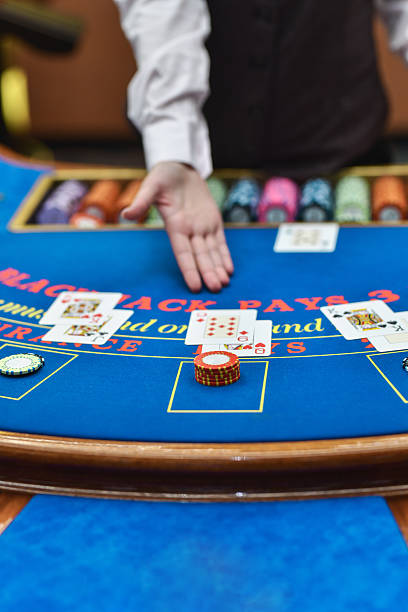
Crazy Star Casino represents a modern approach to online gaming, offering a vibrant and engaging environment for players. With over 3,000 high-quality games, including slots and live dealer options, the platform is designed to captivate and excite. While the entertainment value is undeniable, it is essential to recognize the psychological triggers associated with high-stakes gambling. The immersive atmosphere may amplify the risks of developing addictive behaviors.
The casino also features a generous welcome bonus and ongoing promotions, which can be enticing for new players. While these incentives can enhance the gaming experience, they also serve as psychological hooks that may encourage excessive gambling. Understanding the balance between entertainment and responsible gaming is essential for players to enjoy their time while minimizing risks.
Ultimately, Crazy Star Casino, like many other online platforms, provides an exciting escape for players. However, it is crucial for individuals to remain aware of their emotional and cognitive patterns while engaging in high-stakes gambling. Developing a responsible gaming approach, including setting limits and seeking support, can help mitigate the potential pitfalls of addictive gambling behavior.
“`

Leave a Reply